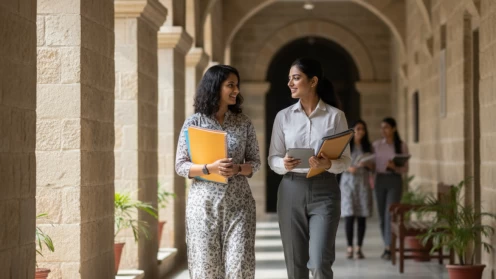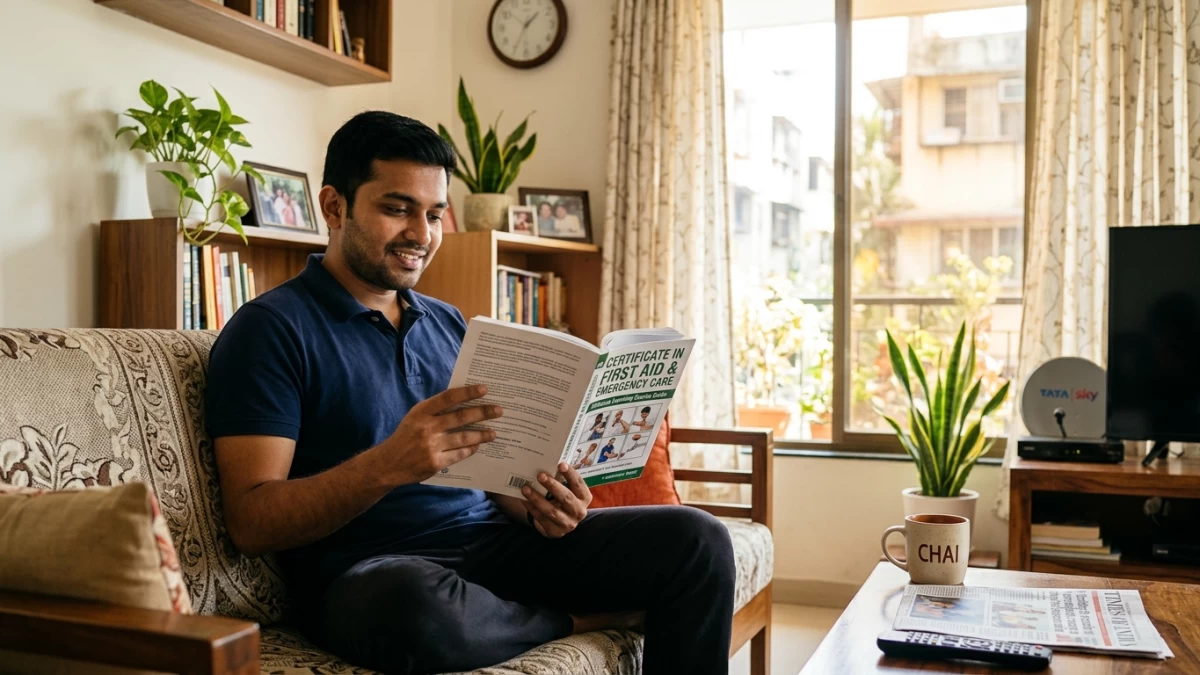
If you wish to empower yourself with essential life-saving skills, a Distance Certificate in First Aid from an Indian university can be a prudent choice. This programme is meticulously designed to impart vital knowledge and practical skills required in emergency situations. With the convenience of distance education, you can access quality learning resources while balancing other commitments, making it especially suitable for working professionals and students alike.
The course curriculum encompasses a blend of theoretical concepts and practical training. Topics such as cardiopulmonary resuscitation (CPR), wound management, fracture handling, and management of medical emergencies are covered. These areas prepare you to act swiftly and effectively during unforeseen situations, whether in the workplace, at home, or in the community.
Distance learning in First Aid is now recognised as a robust medium to learn and hone these skills, thanks to advancements in digital education and robust regulatory oversight. You benefit from interactive modules, instructional videos, and periodic assessments, ensuring comprehension and retention of critical information.
What truly sets this course apart is its flexibility without compromising on quality. The practical component, which is integral to First Aid training, is well-integrated through mandatory workshops or contact programmes conducted at designated centres.
Course Recognition and Approval Status
Recognition is a crucial aspect when selecting any academic programme. The Distance Certificate in First Aid offered by Indian universities is governed by the University Grants Commission (UGC) and the Distance Education Bureau (DEB). These regulatory bodies set standards and approve curricula, ensuring the programme’s credibility and wide acceptance.
You can be assured that a certificate from a UGC-DEB approved institution holds significant value in India. Such certification is often recognised by State Health Departments, the Indian Red Cross Society, and other reputable organisations. This recognition extends to employment opportunities in hospitals, schools, NGOs, and corporate settings where emergency preparedness is a priority.
Employers and authorities increasingly value candidates who possess formal First Aid training, especially when the qualification is acquired from an approved institution. This recognition not only enhances your employability but also ensures that the knowledge you gain is current and compliant with national standards.
Opting for a UGC-DEB recognised programme is your assurance of quality, formal acceptance, and relevance of the certificate across various sectors in India.
Eligibility Criteria and Duration
Before enrolling, it is essential to understand the eligibility requirements and duration of the Distance Certificate in First Aid. Most Indian universities stipulate that candidates should have completed their 10+2 (higher secondary) education from a recognised board. This ensures that you have the foundational knowledge required to grasp the course material.
In some cases, especially at certain state or health science universities, a background in science or related fields may be preferred, although this is not always mandatory. It is advisable to check the specific eligibility criteria of your chosen institution.
The duration of this certificate programme generally ranges from six months to one year. The exact timeline depends on the university and the structure of their distance education offerings. This duration is thoughtfully planned to ensure comprehensive coverage of theoretical and practical aspects without overwhelming students.
Whether you are a student, a working professional, or someone seeking to add valuable skills to your profile, the accessibility and manageable duration make this course an attractive option.
Who Should Consider This Course?
A Distance Certificate in First Aid is not limited to those aspiring for a career in healthcare. It is, in fact, a versatile qualification, beneficial for a broad spectrum of individuals. If you are a teacher, corporate employee, sports coach, community worker, or even a homemaker, this programme can equip you with vital skills to respond to emergencies effectively.
Schools and educational institutions often encourage their staff to have certified First Aid knowledge to ensure children’s safety. Similarly, many corporate organisations seek employees with First Aid training to foster a safer work environment and comply with workplace safety norms.
Healthcare professionals or paramedics in training can also benefit by strengthening their foundational emergency response skills. Even if you are a student exploring healthcare as a career path, this certificate can provide an early advantage.
Ultimately, anyone keen to be a responsible member of society, prepared to provide timely help in emergencies, will find this course invaluable.
Admission Process and Fee Details
The admission process for a Distance Certificate in First Aid is generally straightforward. Most universities accept applications online through their official portals. You will need to submit basic educational documents (like your 10+2 mark sheet), proof of identity, and sometimes a passport-sized photograph.
Upon successful submission, institutions may conduct a brief screening or counselling session, particularly if there are more applicants than seats. Once your application is accepted, you will be guided through the enrolment process, including fee payment and access to study material.
The fee structure for this course is quite affordable, reflecting the inclusive ethos of distance education in India. The typical fee ranges from ₹5,000 to ₹20,000, depending on the university and facilities offered. For example, University A may charge ₹8,500 while University B may set the fee at ₹15,000. The cost usually covers tuition, study material, and practical sessions.
It is advisable to review the fee breakdown carefully and compare offerings across different universities before making a decision. Always prioritise institutions with clear UGC-DEB approval for assured recognition.
Hidden Costs or Practical Requirements
While the overall fee structure is transparent, it is wise to inquire about potential hidden costs associated with practical sessions. Most universities include the practical component in the main fee, but some may charge separately for workshops, materials, or certification of practical competence.
Practical training is a mandatory component of the First Aid certificate, ensuring you gain hands-on experience in administering CPR, managing wounds, fractures, and handling real-life emergencies. These practicals are typically held at the university’s designated centres or partner hospitals, under supervision of qualified trainers.
Additional expenses may include travel to the practical centre, accommodation (if required), and procurement of personal protective equipment. Some universities may offer online simulations for preliminary training; however, final assessments are almost always conducted in person as per UGC-DEB guidelines.
Clarifying these requirements beforehand will help you plan both logistically and financially, ensuring a smooth learning experience.
Syllabus and Core Subjects
The Distance Certificate in First Aid covers a comprehensive syllabus tailored to equip you with both theoretical knowledge and practical skills. Core modules typically include:
- Introduction to First Aid and Emergency Care
- Principles of First Aid
- Cardiopulmonary Resuscitation (CPR) Techniques
- Management of Bleeding and Shock
- Burns and Scalds: Assessment and Care
- Fractures and Musculoskeletal Injuries
- Handling Unconsciousness and Fainting
- First Aid in Medical Emergencies (Heart Attack, Stroke, Seizures)
- First Aid for Poisoning and Allergic Reactions
- Practical Training and Workshops
Each module is designed to build your confidence and competence, preparing you for a range of scenarios requiring immediate intervention.
Career Scope and Salary Potential
A Distance Certificate in First Aid opens up diverse career opportunities across sectors. In the healthcare industry, it can serve as a stepping stone for roles such as paramedic assistants, emergency care providers, or support staff in hospitals and clinics. Your certificate may also make you a preferred candidate for roles involving health and safety compliance in schools, colleges, and corporate organisations.
NGOs and community-based organisations often seek individuals with First Aid training to support outreach programmes and community health initiatives. Additionally, having certified First Aid skills is a valuable addition to your CV, reflecting your commitment to safety and preparedness.
Salaries vary based on the sector and role. Entry-level positions in healthcare support or safety officer roles may offer starting salaries ranging from ₹15,000 to ₹30,000 per month. With experience and additional qualifications, you can expect higher remuneration and increased responsibilities.
Beyond monetary benefits, the ability to save lives and make a positive impact in emergency situations offers immense personal and professional satisfaction.
Common Myths and Misunderstandings
There exist several myths around distance learning and First Aid certification. One prevalent misconception is that First Aid certification does not contribute significantly to career growth. In reality, employers increasingly appreciate such credentials, especially in environments where safety is paramount.
Another myth suggests that distance education cannot provide adequate hands-on experience. UGC-DEB approved programmes address this by mandating practical sessions, ensuring you receive necessary training in real-life scenarios.
Some believe that First Aid certification is only useful for healthcare professionals. In truth, these skills are universally valuable—in educational institutions, corporate settings, sports arenas, and communities at large.
Dispelling these myths is crucial. By pursuing a recognised distance certificate, you are investing in a qualification that is both practical and widely respected.
Top Institutes Offering This Course
India boasts several reputable universities and institutes offering the Distance Certificate in First Aid. While specific offerings may vary, you should always select institutions recognised by UGC-DEB for guaranteed acceptance and quality.
- Indira Gandhi National Open University (IGNOU): Known for its comprehensive distance education programmes, IGNOU offers reliable First Aid certification with strong practical training components.
- Dr. B.R. Ambedkar Open University: With a robust network of study centres, this university provides well-structured First Aid courses accessible across India.
- State Open Universities: Many states, such as Tamil Nadu, Maharashtra, and Karnataka, have dedicated open universities offering this certificate under UGC-DEB norms.
- Health Sciences Universities: Certain health sciences universities and medical colleges, especially those with distance education wings, offer recognised First Aid programmes with compulsory practical training.
Before enrolling, verify the institute’s approval status and practical training arrangements. Seek reviews from past students and clarify any doubts with the university’s admissions office to ensure a rewarding learning experience.