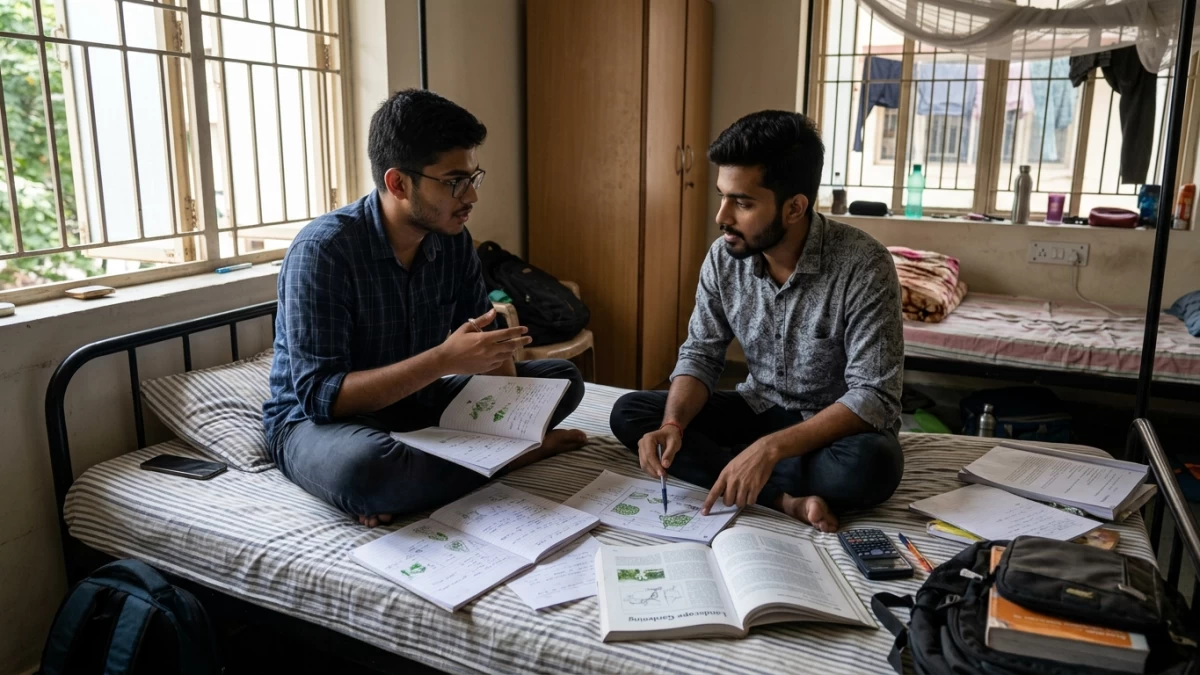
Landscape gardening is a dynamic and creative field that combines art, science, and environmental stewardship. If you are passionate about beautifying outdoor spaces, promoting green environments, and making a tangible impact on urban and rural landscapes, a Distance Certificate in Landscape Gardening could be the ideal step towards your career goals. Unlike traditional classroom-based education, distance learning in this domain provides you with the flexibility to study at your own pace while balancing work, family, or other commitments.
The certificate programme covers essential concepts such as plant selection, garden design, environmental sustainability, and practical landscaping techniques. Through a blend of theoretical modules and hands-on assignments, you gain a well-rounded understanding of both the aesthetics and science behind landscape gardening. This course is particularly relevant for those aiming to work in urban planning, horticulture, environmental conservation, or even start their own landscaping business.
With the growing awareness of green spaces and sustainable development in India, the demand for professionally trained landscape gardeners has risen. The distance mode ensures that you can access quality education even if you are located far from metropolitan centres or leading universities. This flexibility is particularly beneficial for working professionals or those residing in rural areas.
Importantly, most distance certificate programmes in landscape gardening in India are designed to ensure you not only learn the theory but also acquire practical skills that are directly applicable to the real world. This blend of academic knowledge and hands-on experience sets you up for success in a variety of roles within the field.
Course Recognition and Approval Status
When choosing a distance education programme, it is crucial to ensure that the course and the university are recognised by the University Grants Commission (UGC) and the Distance Education Bureau (DEB). These regulatory bodies set the standards for quality and validity in higher education across India. A certificate in landscape gardening from a UGC and DEB approved institution is accepted by employers, government agencies, and professional organisations alike.
Recognition not only assures you of the legitimacy of your qualification but also ensures that the curriculum is current, comprehensive, and meets industry requirements. UGC and DEB approved programmes undergo regular audits and updates to maintain high academic standards, which in turn enhances your employability and credibility as a landscape gardening professional.
Reputed Indian universities like Indira Gandhi National Open University (IGNOU), Tamil Nadu Open University (TNOU), and Maharashtra State Board of Technical Education (MSBTE) offer distance certificate courses in landscape gardening with clear regulatory approval. These institutions provide transparent information about their accreditations, so you can enrol with confidence.
Always verify the recognition status of the programme before applying, as only UGC and DEB approved certificates are widely accepted for government jobs, private sector employment, and further educational pursuits. This precaution safeguards your investment in education and your future career prospects.
Eligibility Criteria and Duration
Most Indian universities set straightforward eligibility criteria for the Distance Certificate in Landscape Gardening. Typically, you must have completed your 10+2 (or equivalent) education from a recognised board. Some institutions are flexible and also consider candidates with vocational training in related fields or those with relevant work experience, which opens doors for adult learners and mid-career professionals.
The duration of the course generally ranges from 6 months to 1 year, depending on the curriculum and university. This duration is optimised to provide in-depth knowledge while remaining accessible to those managing other responsibilities. Part-time study options further enhance the flexibility, allowing you to pace the coursework as per your convenience.
The modular structure of most programmes means you can progressively build your skills and knowledge. Whether you are a recent school graduate or a working professional seeking upskilling, this certificate offers you the flexibility to learn without disrupting your daily life.
Some universities may also assess your aptitude or interest in horticulture and landscaping through a statement of purpose or a brief interview, especially if you are applying based on vocational training or work experience rather than formal 10+2 education.
Who Should Consider This Course?
The Distance Certificate in Landscape Gardening is designed for a diverse group of learners. If you have a passion for nature, plants, and outdoor spaces, this programme is a perfect fit. It is equally valuable for those already working in allied fields such as agriculture, horticulture, environmental science, or civil engineering, who wish to specialise or broaden their expertise.
This course is also suitable for aspiring entrepreneurs aiming to start their own landscaping or gardening venture. The practical and business-oriented modules help you understand the basics of designing, maintaining, and managing green spaces for residential, commercial, or public projects.
Urban planners, municipal employees, real estate developers, and professionals in the tourism or hospitality sectors can also benefit from this certificate, as landscaping skills are increasingly in demand for sustainable and aesthetically pleasing development projects.
Even hobbyists or garden enthusiasts who wish to formalise their knowledge and turn their passion into a viable career or side business will find this programme rewarding. The distance mode ensures that anyone, regardless of location or prior commitments, can access quality training.
Admission Process and Fee Details
The admission process for distance certificate programmes in landscape gardening is typically straightforward and user-friendly. Most universities offer online application portals where you can submit your details, upload necessary documents (such as mark sheets, proof of identity, and photographs), and pay the application fee digitally.
Once your application is reviewed and accepted, you will receive an admission confirmation along with guidelines on course commencement, study materials, and practical assignments. Some universities may conduct a brief orientation to familiarise you with the online learning platform and course expectations.
Fee structures vary depending on the university, course content, and duration. Typically, the total course fee ranges from ₹10,000 to ₹50,000. For example, IGNOU charges approximately ₹12,000, TNOU charges ₹15,000, MSBTE charges around ₹10,000, and KVIC offers the course at a highly affordable ₹5,000. These fees generally cover tuition, study materials, and online support, but it is important to check if there are additional costs for practical sessions or workshops.
Most recognised universities offer flexible payment options, including instalment plans or financial assistance for eligible students. Always verify the full fee breakdown and refund policies before finalising your admission to avoid any surprises later on.
Hidden Costs or Practical Requirements
While the tuition fees for distance certificate programmes are generally transparent, you should be aware of potential hidden costs. Some programmes require you to purchase specific tools, seeds, or gardening supplies for practical assignments conducted at home or in local gardens. Additionally, field visits, workshops, or internships may entail travel or accommodation expenses, especially if conducted outside your hometown.
Practical components are integral to most landscape gardening courses. You may be required to maintain a logbook, document your gardening projects through photographs, or submit reports based on real-life assignments. Some universities partner with local nurseries, parks, or landscaping firms to facilitate hands-on training, which is invaluable for skill development.
For online classes and theory modules, ensure you have reliable internet access and a device capable of streaming video lectures or participating in virtual discussions. Universities typically provide digital resources, but you may wish to invest in supplementary books or reference materials for deeper learning.
It is advisable to clarify all practical requirements and associated costs with the university before enrolling. This approach ensures that you are fully prepared and can budget for your education effectively, maximising the value of your investment.
Syllabus and Core Subjects
- Introduction to Landscape Gardening: History, scope, and importance of landscaping in India.
- Plant Science and Selection: Basics of plant biology, choosing appropriate species for different climates and soils.
- Garden Design Principles: Layout planning, aesthetics, and functional considerations in landscape design.
- Soil Management and Fertility: Understanding soil types, soil preparation, and nutrient management.
- Irrigation Techniques: Water management strategies, drip irrigation, and rainwater harvesting for gardens.
- Use of Tools and Equipment: Safe and effective use of common gardening and landscaping tools.
- Plant Propagation and Nursery Management: Techniques for growing and maintaining plants from seeds, cuttings, and other methods.
- Pest and Disease Management: Identifying and controlling common pests and diseases in gardens.
- Environmental Sustainability: Eco-friendly landscaping practices, biodiversity, and conservation principles.
- Practical Assignments and Field Work: Project-based learning, report writing, and documentation of hands-on activities.
Career Scope and Salary Potential
Upon successful completion of a Distance Certificate in Landscape Gardening, you unlock a range of career opportunities. The skills acquired are in demand in sectors such as urban planning, horticulture, municipal corporations, real estate development, and environmental NGOs. You can work as a landscape gardener, horticulturist, garden supervisor, nursery manager, or landscape designer, among other roles.
Many graduates choose to start their own landscaping or gardening consultancy. The entrepreneurial potential in this field is high, especially with increasing interest in urban greening, rooftop gardens, and sustainable landscaping solutions for homes and businesses. Some also find rewarding careers in educational institutions, resorts, parks, or public gardens, where they manage and enhance green spaces.
Salary potential varies based on experience, location, and sector. Entry-level positions may offer a starting monthly salary of ₹15,000–₹25,000, with scope for significant growth as you gain hands-on expertise and build a portfolio of successful projects. Experienced professionals and entrepreneurs often command much higher earnings, especially in metropolitan areas where demand for landscaping services is robust.
Continuous upskilling, networking, and participation in industry events can further enhance your career prospects and income potential in this thriving sector.
Common Myths and Misunderstandings
Several myths surround distance education in landscape gardening, but it is essential to separate fact from fiction for informed decision-making. One common misconception is that employers do not value distance learning qualifications. In reality, most employers prioritise practical skills and recognised certifications, especially those from UGC and DEB approved institutions.
Another myth is that distance courses lack hands-on experience. However, most Indian universities integrate practical assignments, field work, and project-based learning into the curriculum to ensure you gain real-world skills alongside theoretical knowledge.
Some believe that landscape gardening certificates are only for hobbyists or casual learners. This is far from true—many professionals use such qualifications to specialise, advance in their careers, or transition into the rapidly growing fields of urban development and environmental management.
Finally, there is the misconception that distance education is isolating or unsupported. Modern distance learning includes interactive sessions, peer discussions, and regular faculty guidance, ensuring you are well-supported throughout your learning journey.
Top Institutes Offering This Course
| University/Institute | Course Duration | Eligibility | Approximate Fees (₹) | Website |
|---|---|---|---|---|
| Indira Gandhi National Open University (IGNOU) | 6 months to 1 year | 10+2 or equivalent | ₹12,000 | ignou.ac.in |
| Khadi and Village Industries Commission (KVIC) | 6 months | 10+2 or vocational training | ₹5,000 | kvic.gov.in |
| Tamil Nadu Open University (TNOU) | 1 year | 10+2 or equivalent | ₹15,000 | tnou.ac.in |
| Maharashtra State Board of Technical Education (MSBTE) | 6 months | 10+2 or equivalent vocational training | ₹10,000 | msbte.org.in |
Each of these institutes is known for its commitment to quality education and practical training. When choosing your university, consider course structure, faculty expertise, support services, and accessibility of practical training to ensure a fulfilling learning experience.
In conclusion, a Distance Certificate in Landscape Gardening from a UGC and DEB approved Indian university is a valuable step towards a rewarding and sustainable career. By carefully selecting the right programme and engaging fully with both theory and practical components, you can build a strong foundation for success in the vibrant field of landscape gardening.