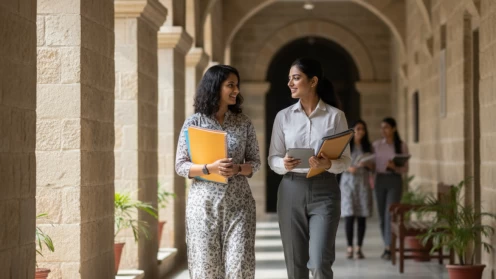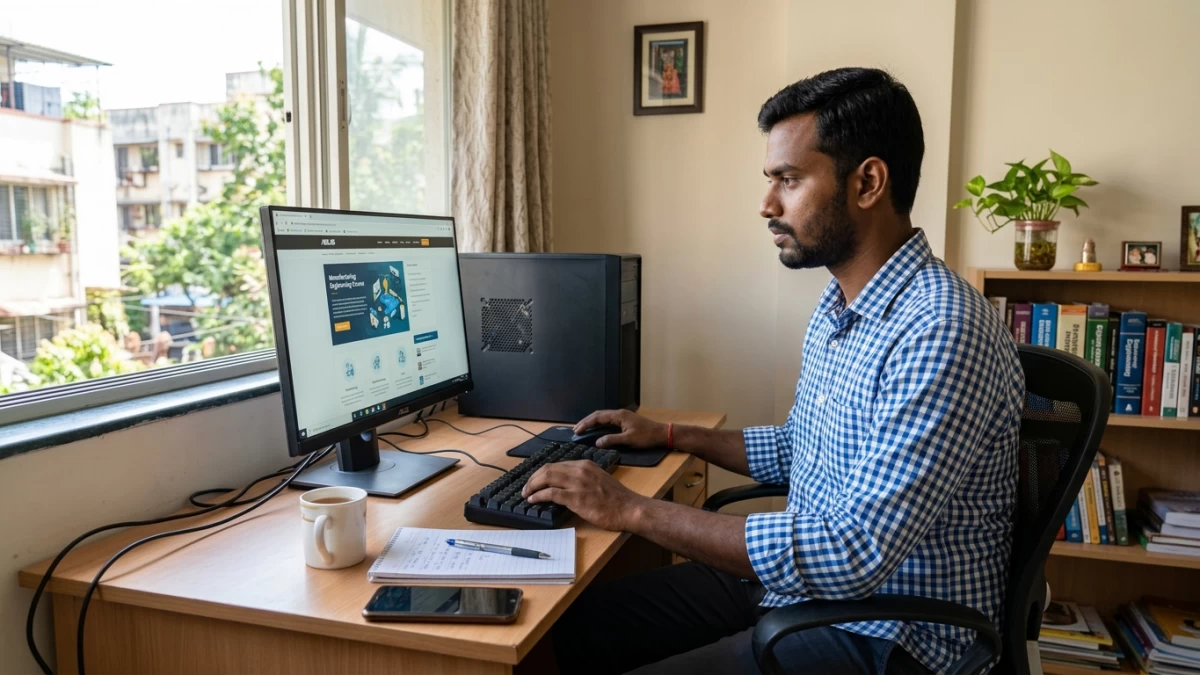
Manufacturing Engineering has become a cornerstone of India’s industrial growth, and a Distance Diploma in Manufacturing Engineering opens the doors for students and working professionals who wish to upskill without putting their careers or personal commitments on hold. This course is designed to provide you with a solid foundation in core manufacturing processes, quality control, automation, and engineering materials—all delivered through a flexible, learner-friendly approach.
One of the key advantages of pursuing this diploma through distance education is the ability to balance your studies with work or other responsibilities. The curriculum is meticulously curated to include both theoretical concepts and practical exposure. Many Indian universities ensure that even in distance mode, students gain hands-on experience through mandatory lab sessions or workshops, which are arranged at designated centres.
Typically, the course duration ranges from 1 to 2 years, depending on the university’s structure and the learner’s pace. The coursework is delivered through a mix of printed modules, online resources, and periodic interactive sessions. This blend ensures that you stay engaged and updated with industry trends, even if you are studying remotely.
Overall, the Distance Diploma in Manufacturing Engineering is an accessible and affordable option for those looking to enter or advance in the manufacturing sector without the constraints of traditional full-time education.
Course Recognition and Approval Status
When considering a distance diploma in any engineering discipline, recognition is paramount. In India, the University Grants Commission (UGC) and its Distance Education Bureau (DEB) are the apex regulatory bodies that oversee and approve distance learning programmes. A diploma from a UGC-DEB approved university ensures that your qualification is recognised by employers, public sector undertakings, and higher education institutions across the country.
UGC-DEB norms are stringent, ensuring that only institutions maintaining the highest standards of quality, curriculum, and faculty are allowed to offer distance learning programmes. This is particularly important in technical disciplines like manufacturing engineering, where both academic rigour and practical exposure are essential.
Employers and government agencies generally accept diplomas from UGC-DEB approved universities. This recognition not only adds credibility to your qualification but also opens avenues for further studies, such as lateral entry into engineering degree programmes or eligibility for competitive exams.
Before enrolling, always verify the university’s recognition status through the official UGC-DEB website or by directly contacting the university. This simple step guarantees the future validity of your qualification.
Eligibility Criteria and Duration
The eligibility criteria for a Distance Diploma in Manufacturing Engineering are designed to accommodate a broad range of learners. Generally, you need to have completed 10+2 with Science subjects (Physics, Chemistry, and Mathematics) from a recognised board. Alternatively, candidates who already hold a diploma or degree in engineering or a related field are also eligible for lateral entry or credit transfer schemes.
The typical duration of the distance diploma programme is 1 to 2 years. Some universities may offer accelerated tracks for those with prior learning or relevant professional experience. The modular structure of the programme allows you to progress at your own pace, balancing your studies with work or family commitments.
In addition to meeting the basic eligibility criteria, some universities may require you to submit proof of prior work experience or undertake a short entrance assessment, especially if you are seeking lateral entry. Always consult the specific university’s admission guidelines to confirm eligibility details.
This flexibility ensures that whether you are a fresh school graduate or an experienced technician aiming to formalise your skills, you will find a suitable entry point into the programme.
Who Should Consider This Course?
The Distance Diploma in Manufacturing Engineering is ideal for a variety of learners. If you are a working professional in the manufacturing sector seeking formal recognition of your skills, this programme offers the perfect blend of flexibility and industry relevance. It is equally beneficial for freshers who have completed their 10+2 in Science and wish to start a technical career without committing to a full-time campus programme.
The diploma is also valuable for diploma holders in allied fields who wish to broaden their expertise or transition into manufacturing roles. Additionally, if you are planning to pursue higher studies in engineering or management but lack a formal technical background, this programme serves as a solid preparatory step.
Women returning to the workforce, individuals from remote areas, or those with family responsibilities can particularly benefit from the distance format, which removes geographical and time constraints. The course structure is designed to foster self-discipline and independent learning—skills highly valued in today’s dynamic work environment.
Ultimately, if you are motivated to build a career in India’s rapidly growing manufacturing sector and prefer the convenience of home-based learning, this diploma is tailored for you.
Admission Process and Fee Details
The admission process for a Distance Diploma in Manufacturing Engineering is generally straightforward. Most universities provide online application facilities through their official websites. You will be required to fill in your personal and academic details, upload relevant documents such as marksheets and identification proofs, and pay the prescribed application fee.
Once your application is reviewed, eligible candidates receive admission confirmation either through email or a formal offer letter. Some universities may also conduct a brief telephonic or online counselling session to understand your career goals and guide you through the programme structure.
The annual fee for the course typically ranges from ₹10,000 to ₹50,000 depending on the university, the mode of delivery, and the facilities provided. Some institutes allow payment in instalments or offer financial aid to deserving candidates. Always clarify the fee structure, including additional costs for study materials, lab sessions, and examination fees.
It’s advisable to check for scholarships, fee waivers, or special schemes for reserved categories, women, or economically disadvantaged students. Transparent communication with the university’s admission cell ensures you are fully aware of your financial commitments before enrolment.
Hidden Costs or Practical Requirements
While distance learning is generally cost-effective, it’s important to account for certain hidden expenses. Practical training is a crucial part of manufacturing engineering, and most UGC-DEB approved programmes require you to attend lab sessions or workshops at designated centres. These may incur additional travel and accommodation costs depending on your location.
Some universities provide online simulation tools and virtual labs, but hands-on experience in real labs remains essential for skill development. Check with your chosen institution regarding the frequency and duration of these practical sessions, as well as the support provided for outstation students.
Other potential costs include exam fees, project work materials, and the purchase of reference books or digital resources. Some universities also charge for access to online learning platforms or technical support services.
To avoid surprises, always request a detailed fee breakup and an academic calendar highlighting practical requirements. This proactive approach ensures you can plan your finances and logistics well in advance.
Syllabus and Core Subjects
The syllabus of a Distance Diploma in Manufacturing Engineering is designed to impart both foundational knowledge and practical skills. While the exact modules may vary across universities, the core subjects generally include:
- Engineering Materials: Introduction to metals, polymers, ceramics, and composites used in manufacturing.
- Manufacturing Processes: Study of casting, machining, forming, joining, and additive manufacturing methods.
- Mechanical Drawing and CAD: Basics of technical drawing and computer-aided design for manufacturing components.
- Quality Control and Inspection: Methods of ensuring product quality, statistical process control, and inspection techniques.
- Industrial Management: Fundamentals of production planning, inventory control, and workplace organisation.
- Automation and Robotics: Introduction to automation technologies, sensors, and robotics in manufacturing.
- Applied Mathematics: Mathematical concepts relevant to manufacturing applications.
- Workshop Practice and Lab Sessions: Hands-on training in basic machining, welding, and manufacturing tools.
- Project Work: Comprehensive project to integrate learning and demonstrate practical proficiency.
This structured approach ensures you graduate with both theoretical understanding and hands-on skills valued by industry employers.
Career Scope and Salary Potential
A Distance Diploma in Manufacturing Engineering opens up a wide array of career opportunities in India’s vibrant industrial sector. Graduates can explore roles such as Production Supervisor, Quality Control Engineer, Maintenance Technician, CAD Designer, and Process Planner in manufacturing companies, automotive plants, and engineering consultancies.
With the Indian government’s push towards “Make in India” and the expansion of manufacturing hubs across states, the demand for skilled manufacturing engineers continues to rise. Many diploma holders also secure positions in public sector undertakings (PSUs), railways, defence manufacturing, and small and medium enterprises (SMEs).
The starting salary after completing this diploma typically ranges from ₹2,00,000 to ₹4,00,000 per annum, with scope for rapid progression based on experience and additional certifications. Those with prior work experience or a strong project portfolio may command higher compensation packages.
Moreover, the diploma acts as a stepping stone for further studies, such as lateral entry into B.Tech or AMIE programmes, enhancing your long-term career prospects and earning potential.
Common Myths and Misunderstandings
Distance education, particularly in technical fields, is often surrounded by myths. One prevalent misconception is that distance diplomas lack credibility. In reality, UGC-DEB approved programmes from reputed Indian universities are widely recognised by industry and academia.
Another myth is that employers do not value qualifications earned through distance mode. In the current era of lifelong learning and skill upgradation, many employers appreciate the self-motivation and time management abilities demonstrated by distance learners, provided the course is from a recognised institution.
Some students also believe that practical sessions are not mandatory in distance programmes. This is incorrect—practical skills are a core component, and UGC-DEB guidelines ensure that accredited programmes include compulsory lab sessions or workshops for hands-on training.
Finally, concerns about lack of peer interaction or support are addressed through regular online forums, webinars, and contact classes offered by most universities, ensuring a well-rounded learning experience.
Top Institutes Offering This Course
Several reputed Indian universities and technical institutes offer Distance Diploma in Manufacturing Engineering, each adhering to UGC-DEB norms. When choosing an institute, consider factors such as recognition, faculty expertise, industry linkages, and support services. Here are some notable examples:
| University Name | Course Duration | Eligibility | Approx. Fees (per year) | UGC-DEB Approval | Practicals |
|---|---|---|---|---|---|
| Indira Gandhi National Open University (IGNOU) | 2 years | 10+2 (Science) or Engineering Diploma | ₹25,000 | Yes | Yes |
| Dr. B.R. Ambedkar Open University | 2 years | 10+2 (Science) | ₹20,000 | Yes | Yes |
| Sikkim Manipal University (Distance Education) | 2 years | 10+2 (Science) or relevant diploma | ₹30,000 | Yes | Yes |
| Annamalai University (Directorate of Distance Education) | 2 years | 10+2 (Science) | ₹18,000 | Yes | Yes |
Before applying, always verify the current course structure, fee, and recognition status on the official university websites. Your choice should be guided by both academic rigour and logistical convenience.