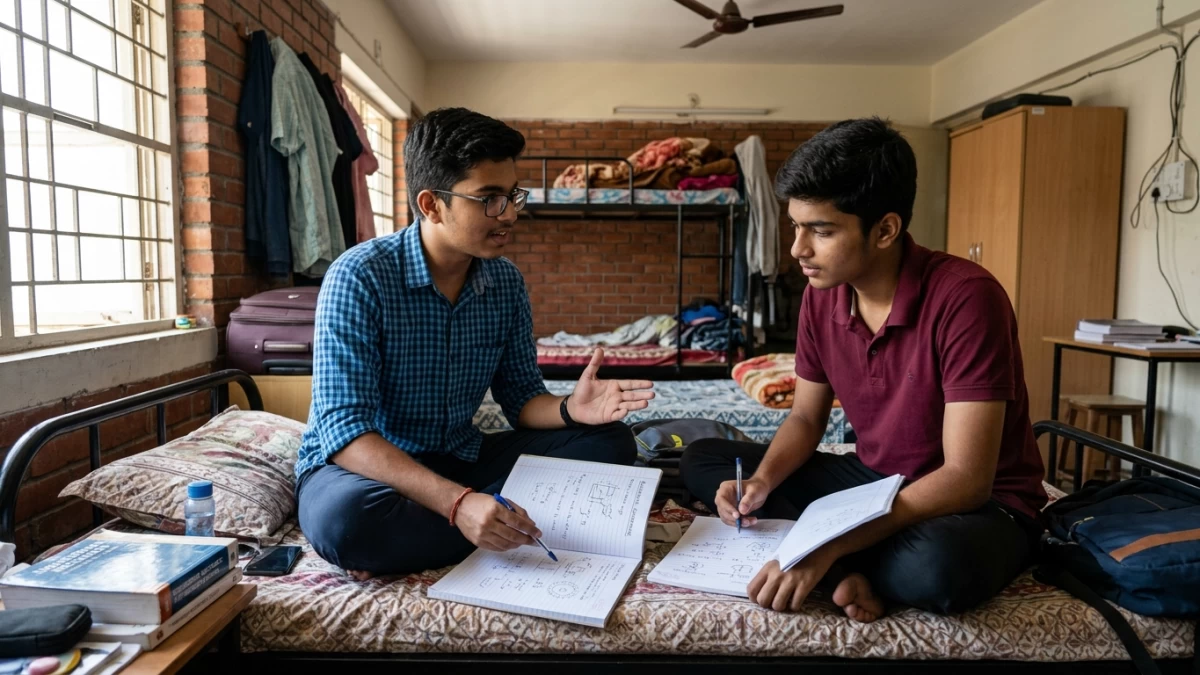
If you are considering a career in mechanical engineering but require the flexibility to study from home or alongside a job, a Distance Diploma in Mechanical Engineering may be the ideal choice for you. This programme is designed to impart foundational knowledge and technical skills in mechanical engineering, with a curriculum that mirrors traditional, full-time diploma courses offered by polytechnics and technical institutes across India. The distance mode allows you to balance your academic aspirations with personal and professional commitments, making higher education more accessible.
Mechanical engineering is one of the oldest and most versatile branches of engineering, focusing on the design, development, and maintenance of machinery and mechanical systems. Through a distance diploma, you will learn the essential principles of mechanics, thermodynamics, manufacturing processes, and material science, all tailored to suit remote learners. These programmes combine theoretical learning with periodic hands-on sessions, ensuring you develop both conceptual understanding and practical competence.
One of the standout features of this course is its flexibility. You can study at your own pace, access learning material online, and engage with faculty through virtual platforms. The assignments, examinations, and laboratory sessions are thoughtfully structured to accommodate the unique needs of distance learners, making it possible for you to study from any location in India.
Another key highlight is the affordability of distance diploma programmes. Compared to regular, on-campus diplomas, the fee structure is often lower, thus reducing the financial burden on students and their families. This makes technical education attainable for a broader spectrum of the population, especially those residing in remote or underserved regions.
Course Recognition and Approval Status
When pursuing a diploma through distance education, recognition and validity of the qualification are of utmost importance. In India, distance education programmes in mechanical engineering are regulated and approved by the University Grants Commission (UGC) and the Distance Education Bureau (DEB). These bodies ensure that the curricula, delivery, and assessment meet national academic standards.
Most reputable open universities offering this diploma—such as Indira Gandhi National Open University (IGNOU) and Dr. B.R. Ambedkar Open University—are UGC-DEB approved. This means your diploma will be accepted for employment and further education across India, provided you graduate from a recognised institution. Furthermore, technical courses often receive additional oversight from the All India Council for Technical Education (AICTE), ensuring their relevance to industry standards.
It is crucial to verify the approval status of the university before enrolling. UGC-DEB recognition guarantees that your distance education diploma is legitimate and widely accepted by employers, government bodies, and other universities. Institutions like IGNOU prominently display their approvals on their official websites, providing transparency and reassurance to prospective students.
Employers, especially in the public sector and leading private companies, increasingly recognise diplomas from UGC-DEB approved universities. This recognition extends to various recruitment exams and further studies, making your qualification a valuable asset in the job market.
Eligibility Criteria and Duration
Eligibility for the Distance Diploma in Mechanical Engineering is straightforward, ensuring accessibility for a wide range of learners. Typically, you must have completed your 10th or 12th standard, with a preference for those who have studied science subjects such as Physics and Mathematics. Some universities also accept candidates who hold an ITI (Industrial Training Institute) certificate in a relevant trade, providing another pathway into the programme.
The duration of the course usually ranges from 2 to 3 years, depending on the university and your prior qualifications. For instance, candidates with an ITI background may receive lateral entry into the second year, reducing the total study period. The flexible duration is ideal for working professionals or those managing family responsibilities alongside their studies.
Admissions are generally open to students from all over India, without age restrictions, making it possible for individuals seeking career advancement or a change in profession to enrol at any stage of life. This inclusivity is one of the key strengths of distance education.
It is important to check the specific eligibility requirements of your chosen university, as there may be slight variations in criteria or documentation needed. Always refer to the university’s official website or prospectus for the most accurate information.
Who Should Consider This Course?
A Distance Diploma in Mechanical Engineering is well-suited for a variety of learners. If you are a recent school leaver who could not pursue regular studies due to personal, financial, or geographic constraints, this programme offers a viable alternative. It is also ideal for working professionals in technical fields who wish to upgrade their qualifications, enhancing their prospects for promotion or career shifts.
Individuals with ITI certificates or vocational training who want to formalise and expand their knowledge in mechanical engineering will benefit greatly from this course. The distance mode ensures you can continue working while studying, minimising disruption to your professional life.
If you reside in a rural or remote area where access to traditional colleges is limited, distance learning bridges the gap, allowing you to receive quality education from reputable Indian universities. Additionally, homemakers, entrepreneurs, and those looking to re-enter the workforce will find this course accommodating and relevant to industry needs.
Ultimately, if you seek flexibility, affordability, and a recognised qualification in mechanical engineering, a distance diploma is an excellent choice that aligns with your goals and lifestyle.
Admission Process and Fee Details
The admission process for a Distance Diploma in Mechanical Engineering is typically straightforward and designed to be student-friendly. Most universities conduct admissions online through their official portals. You will need to fill out an application form, submit scanned copies of your educational certificates, proof of identity, and recent photographs.
Some institutions may require you to appear for a short entrance test or interview, while others admit students based on merit in qualifying examinations (10th/12th/ITI). Once your application is reviewed and accepted, you will receive an admission offer and instructions on fee payment and course enrolment.
The fee structure for this course is highly affordable compared to full-time programmes. On average, you can expect to pay between ₹10,000 and ₹50,000 per year, depending on the university. For example, IGNOU charges approximately ₹12,000 for the entire duration, while Dr. B.R. Ambedkar Open University’s total fee is around ₹25,000 for two years. These fees typically cover tuition, study materials, and access to online resources.
Always ensure you review the fee breakdown, payment schedule, and refund policy on the university’s website. Some universities offer instalment options or scholarships for deserving candidates, further easing the financial commitment.
Hidden Costs or Practical Requirements
While most costs are transparent, you should be aware of additional expenses that may arise during your studies. One of the primary requirements in a mechanical engineering diploma is the completion of practical labs. Although the theoretical portion can be studied remotely, practical training is essential for developing hands-on skills.
Universities typically arrange practical sessions at designated centres or affiliated colleges. These may require you to travel to the nearest city or campus for a few days or weeks, depending on the curriculum. Travel, accommodation, and food expenses during these sessions are usually borne by the student and are not included in the tuition fee.
Lab fees, if applicable, are generally minimal but should be verified in advance. Some universities may charge additional fees for study materials, examination forms, or re-examinations. It is wise to budget for these potential expenses to avoid any surprises later in the course.
Despite these requirements, the overall cost of the programme remains significantly lower than traditional, full-time courses, and the practical exposure you gain is invaluable for your future career.
Syllabus and Core Subjects
The syllabus for a Distance Diploma in Mechanical Engineering closely mirrors that of regular diploma programmes, ensuring you receive a comprehensive education. The core subjects are designed to build your foundational and applied knowledge in mechanical engineering. Common modules include:
- Engineering Mathematics
- Engineering Physics
- Engineering Drawing and Graphics
- Mechanics of Materials
- Thermodynamics
- Manufacturing Processes
- Machine Design
- Automobile Engineering Basics
- Fluid Mechanics and Machinery
- Material Science
- Workshop Practice and Machine Shop
- Industrial Management and Safety
- Project Work and Viva Voce
Each subject balances theoretical knowledge with practical application. For example, Engineering Drawing and Workshop Practice involve hands-on training, while Engineering Mathematics and Physics provide the scientific foundation for your studies.
Career Scope and Salary Potential
A Distance Diploma in Mechanical Engineering opens doors to a wide range of career opportunities in both the public and private sectors. You can pursue roles such as Junior Engineer, Draftsman, Maintenance Technician, Production Supervisor, Quality Control Inspector, and more. The manufacturing, automotive, power generation, and construction industries are among the largest employers of diploma holders.
With experience and further qualifications, you can advance to supervisory or managerial positions. Many diploma graduates choose to continue their studies, enrolling in engineering degree programmes via lateral entry, which further enhances their career prospects and earning potential.
Salaries for fresh diploma holders typically start from ₹15,000 to ₹25,000 per month, depending on the industry, location, and employer. With experience, advanced skills, and continuous professional development, you can expect significant growth in remuneration and job responsibilities.
Moreover, the practical skills and technical knowledge you acquire will empower you to explore entrepreneurial ventures, such as setting up a small-scale workshop or consultancy in mechanical maintenance and fabrication.
Common Myths and Misunderstandings
There are several myths surrounding distance education in mechanical engineering, which can deter potential students. The most prevalent misconception is that distance diplomas are not valued in the job market. In reality, qualifications from UGC-DEB approved universities are recognised across India and accepted by most employers, especially when obtained from reputable institutions like IGNOU.
Another myth is that distance programmes are inferior in quality compared to regular courses. In truth, the curriculum, faculty, and assessment standards are often identical, ensuring parity in educational outcomes. The only difference lies in the mode of delivery, which is tailored for flexibility and accessibility.
There is also a belief that practical experience is negligible in distance courses. While the frequency of lab sessions may be lower, universities make concerted efforts to include hands-on training as a mandatory component, ensuring that you graduate with the skills required by the industry.
Finally, some students fear that distance education is isolating. However, most universities offer robust student support services, including virtual classrooms, discussion forums, and access to faculty, ensuring you are never alone on your academic journey.
Top Institutes Offering This Course
Several Indian universities are renowned for their Distance Diploma in Mechanical Engineering programmes. These institutions are recognised by UGC-DEB and are respected for their curriculum, faculty, and student support services.
| Institute | Website | Duration | Eligibility | Total Fees (Approx.) |
|---|---|---|---|---|
| Indira Gandhi National Open University (IGNOU) | www.ignou.ac.in | 2 years | 10th/12th Science | ₹12,000 |
| Dr. B.R. Ambedkar Open University | www.braou.ac.in | 2 years | 10th/12th Science | ₹25,000 |
Always verify details such as course structure, practical requirements, and recognition directly from the university’s official website before applying. This ensures you receive the most accurate and up-to-date information, setting you on the path to a successful engineering career.