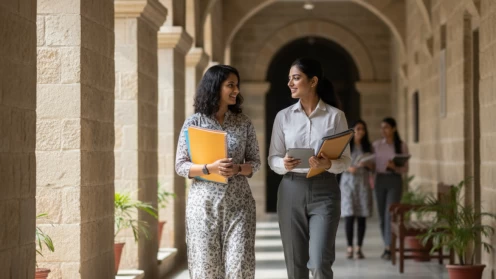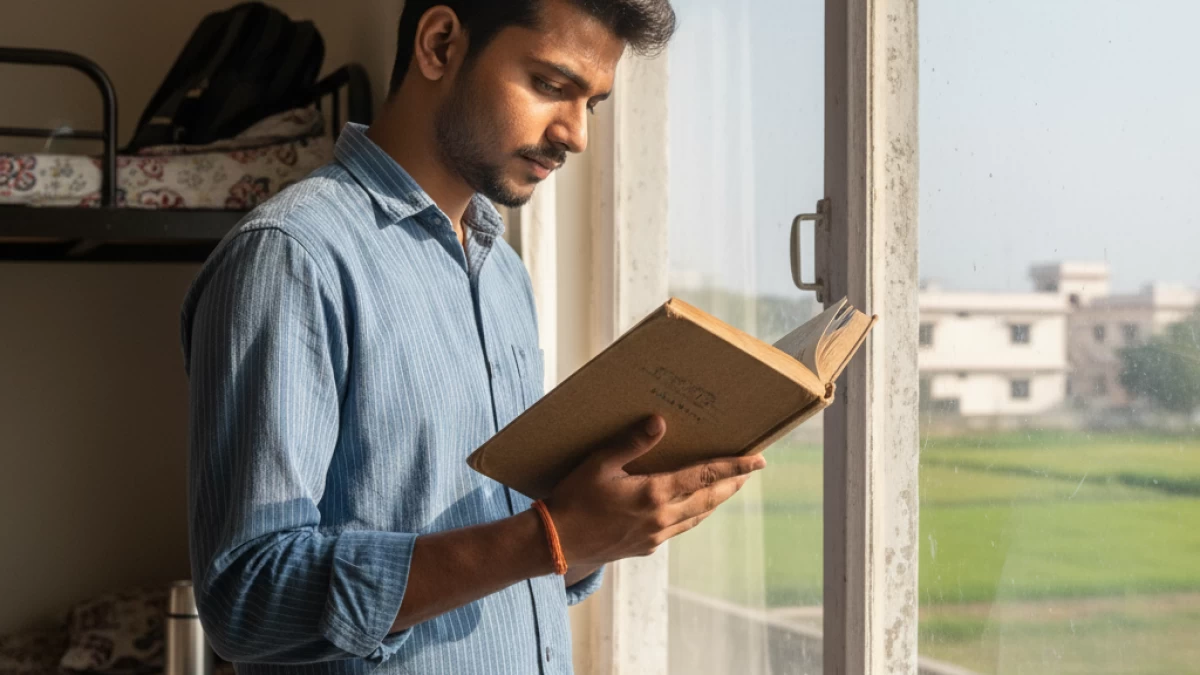
If you are interested in making a meaningful contribution to India's rural communities, a Distance MA in Rural Development can be a transformative step. This postgraduate programme is designed to equip you with in-depth knowledge and practical skills to address the multifaceted challenges faced by rural India. The distance mode is ideal for working professionals, fresh graduates, and those who seek flexible learning options while continuing to fulfil their personal or professional commitments.
Rural development is a multidisciplinary field that focuses on improving the quality of life and economic well-being of people living in rural areas. Through a Distance MA in Rural Development, you will learn about agricultural management, policy planning, project implementation, and the socio-economic dynamics of rural societies. The distance mode allows you to access a quality education from recognised universities, regardless of your geographic location.
Distance education in India is strictly regulated by the University Grants Commission (UGC) and the Distance Education Bureau (DEB), ensuring that your degree holds value in the job market. With Indian universities such as IGNOU, Dr. B.R. Ambedkar Open University, and others leading the way, you can be assured of a curriculum that is both relevant and respected.
Choosing a Distance MA in Rural Development is not just an academic decision; it is a commitment to empowering yourself and the communities you aim to serve. This guide will help you navigate every aspect of this programme, from eligibility to career prospects.
Who Should Choose Distance MA in Rural Development?
This programme is best suited for individuals who are passionate about grassroot development and wish to contribute to the nation’s progress. If you are already working in the development sector, government departments, or non-governmental organisations (NGOs), a distance MA will strengthen your theoretical foundation and enhance your career prospects.
Fresh graduates who aspire to work in the social sector, policy analysis, research institutes, or rural management will find this degree highly beneficial. The flexibility of distance learning allows you to continue with internships, voluntary work, or even a full-time job while pursuing your studies.
Professionals looking to transition into the rural development sector, or those seeking promotions within their current organisations, can leverage this programme to gain specialised knowledge without taking a career break.
Additionally, if you are based in a rural or semi-urban area where access to regular classes is limited, distance education offers an accessible and affordable path to higher education in an impactful field.
Eligibility Criteria and Admission Requirements
The general eligibility for admission to a Distance MA in Rural Development is a Bachelor’s degree in any discipline from a recognised Indian university. Some institutions may stipulate a minimum aggregate percentage, commonly ranging between 45% and 50% in your undergraduate studies.
Age is typically not a barrier for distance programmes, making it accessible to a broad range of learners, from fresh graduates to mid-career professionals. The degree must be from a university recognised by the UGC, ensuring academic standards are maintained.
In some cases, universities may ask for additional documents such as migration certificates, proof of identity, or category certificates for reservation benefits. It is important to check the specific requirements of the university you are applying to, as these can vary.
Most universities have a straightforward application process, and some may also require you to submit a statement of purpose or attend a counselling session, especially if there is an entrance test or merit-based selection involved.
Step-by-Step Admission Process
Applying for a Distance MA in Rural Development involves several simple but crucial steps. Here is a typical admission process you can expect:
- Check Eligibility: Confirm that you meet the basic academic requirements and have all necessary documents.
- Collect Application Forms: Application forms can usually be downloaded from the university website or collected from study centres.
- Fill and Submit: Complete the form with accurate details and attach the required documents, such as mark sheets, degree certificates, and photographs.
- Pay the Fees: Application and first semester or annual fees can typically be paid online, through demand drafts, or at the designated banks.
- Entrance Test/Screening (if applicable): Some universities may conduct an entrance examination or counselling session.
- Admission Confirmation: Once your application is processed, and eligibility confirmed, you will receive an admission letter or confirmation email.
Always keep copies of your submitted documents and payment receipts for future reference. It is recommended to apply well before the deadline to avoid last-minute issues.
Course Duration and Fee Structure
The typical duration for a Distance MA in Rural Development is two years, divided into four semesters or two annual sessions, depending on the university’s academic structure. Some universities offer a maximum duration of up to four years to complete the course, providing flexibility for students who may have personal or professional commitments.
The fee structure is one of the most attractive aspects of distance learning. The total programme fees generally range from ₹10,000 to ₹30,000, making it highly affordable compared to regular courses. For instance, IGNOU charges around ₹15,000 for the entire programme, while other universities like Tamil Nadu Open University and KSOU offer similar fee brackets.
Fees can be paid annually, per semester, or as a one-time payment, depending on the university’s policy. Some universities may offer concessions for reserved categories or economically weaker sections.
It is important to review the latest fee structure on the university’s official website, as charges may change periodically. Remember to factor in additional costs for study materials, examination fees, and any optional workshops.
Hidden Costs and Practical Expenses
While the tuition fees for distance MA programmes are generally transparent, you should be aware of potential hidden costs. These may include:
- Study Material Charges: While many universities provide study materials for free, some may charge for printed books or digital resources.
- Examination Fees: Examination and re-evaluation fees are sometimes not included in the tuition fee and are charged per subject or per term.
- Contact Classes and Workshops: Optional or mandatory contact classes, field visits, or on-campus workshops might incur additional charges.
- Travel and Accommodation: If your examination centre or contact classes are located outside your city, you may need to budget for travel and accommodation.
- Convocation and Certification: Some universities have a separate fee for the convocation ceremony or for issuing the final degree certificate.
Being aware of these expenses will help you plan your finances better and avoid surprises. Always request a detailed fee breakup from the university before enrolling.
Is Distance MA in Rural Development Valid?
Yes, a Distance MA in Rural Development from a UGC-DEB approved university is fully valid for both employment and higher studies in India. The University Grants Commission (UGC) and the Distance Education Bureau (DEB) are the apex regulatory bodies that oversee the quality and recognition of distance education programmes across the country.
Degrees awarded through UGC-DEB approved institutions are accepted by public and private sector employers, government agencies, and for further studies such as MPhil or PhD.
It is crucial to verify that the university and the specific programme are listed as approved on the official UGC-DEB portal. This ensures your degree is recognised and valued in the job market.
Do not enrol in courses offered by unrecognised institutions, as such degrees may not be eligible for government jobs or higher education, and you may face issues with validity.
How to Verify University Approval
Before enrolling, always check the approval status of the university and the specific programme. Here’s how you can do this:
- Visit the official UGC website and navigate to the Distance Education Bureau section.
- Check the list of recognised universities and their approved programmes for the current academic session.
- Contact the university’s admission office for clarification if you cannot find the relevant information online.
- Look for physical proof, such as the university’s recognition certificates, which are often displayed on their websites or notice boards at study centres.
- Be wary of private agencies or consultancies that make extravagant promises regarding university approvals. Always rely on official sources.
Ensuring UGC-DEB approval is the most important step to safeguard your academic and professional future.
Comprehensive Syllabus and Subjects
The Distance MA in Rural Development covers a broad array of subjects, giving you both theoretical insights and practical skills. Core modules typically include:
- Introduction to Rural Development
- Rural Society and Development
- Rural Management
- Agricultural and Rural Development
- Project Management in Rural Development
- Research Methodology
- Planning and Development
Elective subjects may be offered, allowing you to specialise in areas such as microfinance, entrepreneurship, or gender studies. Assignments, fieldwork, and project reports are often part of the assessment, helping you apply what you have learnt to real-world scenarios.
Learning Method and Examination Pattern
Distance learning for MA in Rural Development is designed to be student-friendly and flexible. Study materials are provided in print or digital formats, enabling you to learn at your own pace. Many universities also offer online resources, recorded lectures, and access to e-libraries.
Examinations are usually held at designated centres and may include both open-book assignments and term-end written papers. Assignments encourage independent research and critical thinking, while term-end exams test your understanding of the curriculum.
Some universities conduct optional contact classes, workshops, or webinars where you can interact with faculty and peers. These sessions can be invaluable for clarifying doubts and networking with like-minded students.
It is important to keep track of assignment submission deadlines and examination schedules, as missing these could delay your progression through the course.
Career Scope and Job Opportunities
After completing a Distance MA in Rural Development, you can explore a wide range of career opportunities in both the public and private sectors. Popular job roles include:
- Rural Development Officer
- NGO Manager
- Programme Coordinator
- Policy Advisor
- Research Analyst in Rural Development
- Field Project Manager
- Community Development Consultant
Government departments such as the Ministry of Rural Development, state rural development agencies, and Panchayati Raj institutions recruit postgraduates for various roles. NGOs, research organisations, and CSR wings of corporates are also major employers.
With the growing focus on rural transformation and inclusive growth, demand for professionals with expertise in rural development remains strong.
Salary Expectations and Career Progression
Entry-level salaries for graduates with a Distance MA in Rural Development typically range from ₹2.5 lakh to ₹4 lakh per annum, depending on the employer and job location. Positions in government agencies or reputed NGOs may offer higher starting packages, along with additional benefits.
With experience, you can progress to roles such as Senior Project Manager, Programme Head, or Policy Consultant, with salaries rising to ₹6 lakh or more per annum. Additional qualifications, field experience, and demonstrated impact in your projects can lead to faster career progression.
Many professionals also pursue research, teaching, or consultancy assignments after gaining practical exposure. The degree also serves as a stepping stone for those who wish to pursue MPhil or PhD studies in related fields.
Career advancement is fuelled by continuous learning, networking, and hands-on engagement with rural communities.
Distance vs Regular MA in Rural Development Comparison
The choice between distance and regular mode depends on your personal circumstances and learning preferences. Regular MA programmes offer a structured classroom environment, daily interactions with faculty, and immediate access to campus resources. However, they require full-time commitment and physical presence at the university’s location.
Distance MA, on the other hand, gives you flexibility to study from anywhere and at your own pace. It is best suited for those who are working or need to balance studies with other responsibilities. The cost is substantially lower, making it accessible to a wider audience.
From a recognition standpoint, both modes are equally valid as long as they are UGC-DEB approved. Employers in the development sector generally value skills and practical experience over the mode of study.
Your decision should be guided by your current obligations, financial resources, and career goals. Both modes have produced successful professionals in the field of rural development.
Distance vs Online MA in Rural Development Comparison
While distance and online learning are often used interchangeably, there are key differences. Distance education traditionally relies on printed study materials, postal correspondence, and periodic contact classes. Examinations are usually conducted offline at designated centres.
Online education is delivered primarily through digital platforms, with e-books, video lectures, and interactive forums. Exams may be conducted online with proctoring, and there are more opportunities for real-time interaction with faculty and peers.
Online mode may suit tech-savvy students who have reliable internet access and prefer virtual classrooms. Distance mode is better for those who prefer self-paced learning with minimal technology requirements.
Both modes are valid if approved by UGC-DEB, so choose the one that best matches your learning style and logistical needs.
Top Distance Universities for MA in Rural Development
| University | Eligibility | Fees (Full Program) | Website |
|---|---|---|---|
| Indira Gandhi National Open University (IGNOU) | Bachelor's degree in any discipline | ₹15,000 | ignou.ac.in |
| Madhya Pradesh Bhoj (Open) University | Bachelor's degree required | ₹13,000 | N/A |
| Tamil Nadu Open University | Bachelor’s degree in any discipline | ₹12,000 | tnou.ac.in |
| Dr. B.R. Ambedkar Open University | Graduation in any stream | ₹10,000-₹15,000 | braou.ac.in |
| Karnataka State Open University (KSOU) | Graduation in any field | ₹15,000 | ksou.ac.in |
All these universities are recognised by the UGC and offer comprehensive curricula tailored to the needs of rural development professionals.
Common Mistakes to Avoid While Choosing a University
Choosing the right university is crucial for your academic and professional success. Here are some common mistakes to avoid:
- Enrolling in a university or programme that is not UGC-DEB approved.
- Ignoring the fine print on fees and additional charges.
- Neglecting to check the mode of delivery and examination requirements.
- Not considering the geographical location of study centres and exam centres.
- Failing to research alumni outcomes and support services.
Take time to verify all details and seek guidance from university admission offices if you have any doubts. A little diligence at this stage can save you from bigger issues later.
Conclusion: Is this Course Right for You?
A Distance MA in Rural Development is a powerful stepping stone for those who aspire to drive change in India’s rural landscape. If you are seeking a flexible, affordable, and recognised qualification that opens doors to a rewarding career, this programme is an excellent choice.
It empowers you with knowledge, skills, and practical exposure that are highly valued across government, NGO, and research sectors. The flexibility of distance learning ensures that you can pursue your ambitions without compromising on your current responsibilities.
Take the time to assess your career goals, verify the university’s credentials, and plan your journey thoughtfully. With the right approach, a Distance MA in Rural Development can set you on a path to both personal fulfilment and professional success.
Remember, your education is an investment in yourself and in the future of rural India. Make it count.