| Aspect | Regular MBA | Distance MBA | Online MBA |
|---|---|---|---|
| Fees (2 years) | ₹2,00,000 – ₹6,00,000 | ₹30,000 – ₹1,50,000 | ₹50,000 – ₹2,00,000 |
| Class Timings | Fixed, day classes | Fully flexible | Flexible; may include live sessions |
| Attendance | Mandatory physical presence | No physical attendance | Varies; often more flexible |
| Exam Centres | On-campus | Designated centres/online | Online/occasional in-person proctoring |
| Interaction | Direct, in-person | Minimal, self-study | Virtual; live sessions/forums |
| Recognition | High (traditional) | High (if UGC-DEB approved) | High (if UGC-DEB approved) |
| Networking | Strong campus network | Limited | Moderate; online communities |
| Suitability | Full-time students | Working professionals | Working professionals, remote learners |
Learning Flexibility Differences (Attendance & Schedules)
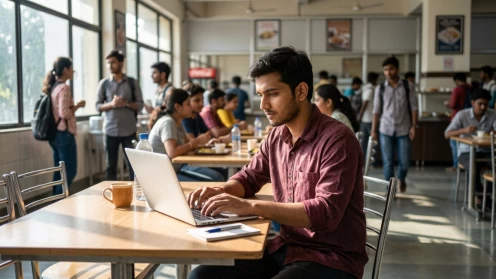
When choosing an MBA in Tourism and Hospitality, the mode of study greatly influences your day-to-day routine and commitments. Regular MBA programmes require you to attend classes at fixed times, typically on campus during weekdays. This mode is ideal if you can dedicate yourself to full-time study and value a structured academic environment. Attendance is strictly monitored, and missing classes may impact your internal assessment or eligibility to sit for exams.
Distance MBA programmes, in contrast, are designed for maximum flexibility. You receive study materials (physical or digital) and can access lectures or assignments at your own pace. There is no requirement to be physically present, making it a popular choice for working professionals or those who cannot relocate. Assessments may be conducted online or at designated centres, depending on the university's policy.
Online MBA programmes blend the benefits of both: some universities offer live interactive sessions, while others provide pre-recorded content. While you may have to attend occasional live webinars or submit assignments by deadlines, the overall structure is more accommodating than regular mode. Attendance policies are generally relaxed, and many assessments are completely online, giving you the freedom to balance personal or professional responsibilities.
In summary, if you need strict discipline and daily classroom interaction, regular mode fits best. For those seeking flexibility, especially while working, distance and online modes are more suitable options.
Curriculum & Syllabus Depth (Is Regular Harder?)
The core syllabus for MBA in Tourism and Hospitality is governed by guidelines set by the University Grants Commission (UGC) and Distance Education Bureau (DEB), ensuring a high degree of uniformity across all modes. Whether you study at a central university like Indira Gandhi National Open University (IGNOU) or a campus-based institution like Banaras Hindu University (BHU), the curriculum covers key management concepts and sector-specific skills.
- Principles of Management
- Tourism Planning and Policy
- Hospitality Operations
- Marketing Management in Tourism
- Financial Management
- Human Resource Management
- Strategic Management
- Tourism Economics
- Event Management
- Sustainable Tourism
- Internship/Project Work
Regular mode may offer additional opportunities for hands-on learning, case studies, and industry immersion through campus events or field visits. Faculty-student interaction is more direct, possibly aiding quick doubt resolution. However, the academic standards, examination rigor, and learning outcomes are meant to be consistent across all modes, as mandated by UGC and DEB. Distance and online learners are expected to demonstrate a higher degree of self-motivation and time management, making the challenge more about discipline than syllabus difficulty.
Peer Learning & Networking (Campus vs Virtual)
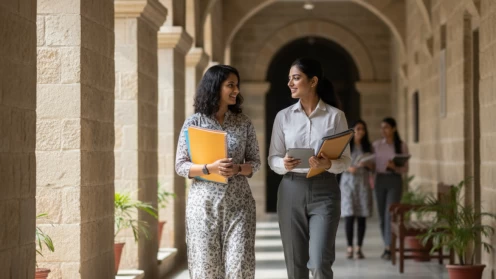
Networking is a crucial component of any MBA, particularly in a service-oriented sector like tourism and hospitality. Regular MBA programmes provide the richest environment for peer learning. You share classrooms, group projects, and extra-curricular activities with diverse classmates, enabling the formation of lifelong professional networks. Campus placement cells, alumni events, and industry guest lectures further amplify these opportunities.
Distance MBA students have fewer chances for direct peer interaction. While some universities organise occasional contact programmes or workshops, most of your learning is self-driven. Group assignments, if any, are coordinated online, and networking depends on your initiative to connect with fellow students through university forums or social media groups.
Online MBA learners enjoy a middle ground. Many universities now facilitate live webinars, discussion forums, and collaborative projects. Virtual classrooms can host participants from across the country, enriching your exposure to diverse perspectives. While the absence of physical proximity may limit deep personal bonds, digital communities and alumni networks still offer valuable connections for collaboration and career growth.
Ultimately, if peer learning and campus life are high on your priority list, regular mode is unmatched. For those comfortable with virtual engagement or self-paced study, online and distance modes offer alternative pathways to build networks.
Cost Effectiveness (Which Mode Saves More Money?)
Cost is a significant consideration when selecting your MBA mode. Regular MBA programmes at leading Indian universities tend to be the most expensive, with fees covering tuition, library, laboratory, and various campus facilities. You may also incur additional expenses for accommodation, transport, and daily living, especially if you relocate to another city.
Distance MBA is the most cost-effective option. The lower fee structure reflects the absence of campus infrastructure costs. Most study resources are provided online or via courier, eliminating the need for regular travel or hostel accommodation. This mode enables you to continue earning while studying, minimising opportunity costs.
Online MBA fees are generally higher than distance mode but lower than regular programmes. They factor in the cost of digital platforms, interactive webinars, and technical support. However, since you study from home, you save on relocation and living expenses. Many universities also offer flexible payment plans for online learners.
In summary, if budget is a primary concern, distance or online MBA is more affordable. Regular MBA, while costlier, may offer added value through campus-based resources and placements. Always consider the return on investment based on your career goals.
Certificate Value in the Market (Recruiter Perception)
In India, the recognition of your MBA degree in tourism and hospitality hinges on the status of the issuing university. Degrees from UGC and DEB-approved institutions are valid for public and private sector employment, higher studies, and government job applications. Recruiters generally view all three modes—regular, distance, and online—as legitimate, provided the university is recognised.
Some employers continue to favour regular degrees, associating them with rigorous campus-based training and exposure. However, the gap is narrowing as online and distance education gain mainstream acceptance, especially after regulatory reforms and technological advancements. Many leading Indian employers now accept candidates with UGC-DEB approved online and distance MBAs for managerial and leadership roles.
It is important to verify whether your chosen programme is approved by relevant statutory bodies. For instance, IGNOU’s MBA in Tourism Management is both UGC and AICTE recognised, ensuring national validity. The degree certificate may or may not mention the mode of study, depending on the university. Ultimately, your skills, project work, and internship experiences often weigh more heavily in recruiter assessments than the mode of your degree.
As long as you choose a reputable, accredited university, your MBA will hold substantial market value regardless of how you study.
Which Mode Fits Your Lifestyle? (Final Verdict)
Choosing the right MBA mode is a deeply personal decision. If you thrive in a structured routine, value face-to-face interaction, and can commit to full-time study, the regular mode offers a stimulating campus experience and rich networking opportunities. This is ideal for recent graduates or those wishing to immerse themselves in academic life.
Distance MBA is best suited for those who need ultimate flexibility—working professionals, entrepreneurs, or individuals with family commitments. You control your study schedule, balancing education with your existing responsibilities. Strong self-motivation and time management are critical for success in this mode.
Online MBA strikes a balance between structure and flexibility. If you prefer digital learning, value real-time interaction, and want access to quality Indian faculty from anywhere in the country, this mode is a powerful option. It is particularly attractive if you wish to avoid relocation while still accessing group learning and industry sessions virtually.
Before making your decision, reflect on your career goals, personal commitments, preferred learning style, and budget. Regardless of the mode you choose, ensure your university is UGC-DEB approved, and make the most of the opportunities each format offers. With the right approach, an MBA in Tourism and Hospitality from an Indian university can open doors to a rewarding career in this dynamic sector.